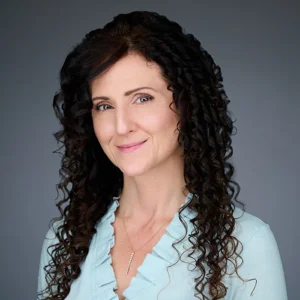


Reviewed by: Deana Kimes, DO, FASAM | BrightView Vice President of Medical Affairs
Published: July 22, 2026
Updated: October 2026
No two recovery journeys are the same, but deciding to ask for help is often one of the hardest steps. Once you feel ready, the thought of waiting days or weeks to begin treatment can feel overwhelming.
Many people search for “same-day rehab” because they want to know whether they can talk to someone, complete an assessment, or begin addiction treatment today.
Although immediate admission, treatment, or medication cannot be guaranteed in every situation, you may be able to take meaningful first steps on the same day you reach out.
BrightView Health specializes in outpatient addiction treatment, helping people begin recovery while remaining connected to work, school, family, and daily life.
Quick Answer: Can You Start Same-Day Rehab or Addiction Treatment?
You may be able to begin the addiction treatment process on the same day you contact a provider.
At BrightView, same-day or next-day appointments may be available, and weekday walk-ins are welcome. Depending on your location, clinical needs, and provider availability, your first steps may include:
- Speaking with a care team member
- Completing an initial screening
- Discussing insurance or payment options
- Scheduling an appointment
- Completing a comprehensive health assessment
- Meeting with a provider
- Beginning outpatient substance use disorder treatment
- Being evaluated for medications for opioid use disorder (MOUD) or medications for alcohol use disorder (MAUD), when clinically appropriate
However, same-day rehab does not always mean immediate inpatient admission or receiving medication that day. What happens next depends on your symptoms, medical history, withdrawal risk, the type of care you need, local availability, and a clinical assessment.
Even when treatment services do not begin immediately, completing an assessment and connecting with a care team are important first steps in recovery.
Reducing delays between someone’s decision to seek care and their first treatment encounter can improve engagement and support ongoing recovery.
If you’re ready to take the first step, you can schedule an appointment online.
Need emergency help? Call 911 immediately if you or someone else is experiencing an overdose, severe withdrawal, trouble breathing, seizures, chest pain, loss of consciousness, or immediate danger. Call or text 988 for suicidal thoughts, self-harm risk, or a mental health crisis.
What Does Same-Day Rehab Mean?
“Same-day rehab” generally means that someone can begin at least one part of the substance use disorder treatment process on the same day they contact a provider.
Many people use the term “rehab” to describe addiction treatment broadly. The more precise clinical term is substance use disorder treatment, which may include outpatient care, medications for substance use disorders, counseling, intensive outpatient programs, withdrawal management or detoxification services, residential treatment, or a combination of these approaches.
Depending on the provider and the person’s needs, same-day rehab could involve:
- A phone or online screening
- A clinical assessment
- An outpatient treatment appointment
- An evaluation for appropriate medications
- Admission to a detoxification program
- Admission to inpatient or residential treatment
- A referral to another level of care
Same-day rehab does not always mean being admitted to an inpatient facility that day. It may mean starting the intake, assessment, scheduling, outpatient treatment, or medication-evaluation process.
BrightView provides outpatient care. Unlike an inpatient or residential program, outpatient substance use disorder treatment allows patients to receive support while continuing to live at home and maintain responsibilities such as work, school, and family commitments.
Same-Day Rehab Compared With Other Treatment Options
| Type of Care | What It May Involve | When It May Be Appropriate |
|---|---|---|
| Same-day screening | A preliminary conversation about substance use, symptoms, safety concerns, and treatment needs | When someone is ready to seek help and needs guidance about what to do next |
| Same-day outpatient treatment | An assessment, medical appointment, counseling intake, or treatment-planning visit | When someone is medically stable and does not require 24/7 supervision |
| Medication evaluation | A qualified provider evaluates whether medications for opioid use disorder (MOUD) or alcohol use disorder (MAUD) are appropriate | When medication may help manage a diagnosed substance use disorder |
| Detoxification or withdrawal management | Medical monitoring and support during withdrawal | When withdrawal may be severe, dangerous, or difficult to manage safely without supervision |
| Inpatient or residential treatment | Structured care in a facility where the person stays overnight | When additional structure, stabilization, or continuous monitoring is needed |
| Emergency care | Immediate medical or psychiatric evaluation | When there is an overdose, severe withdrawal, medical instability, suicidal thoughts, or immediate danger |
The goal is not simply to begin as quickly as possible. It is to help you begin with the level of care that best fits your needs.
Can You Find Same-Day Rehab Near You?
Same-day rehab availability varies by location, provider schedules, clinical needs, and the type of treatment being recommended.
One facility may be able to provide a same-day assessment but not immediate admission. Another may have an outpatient appointment available but determine that detoxification or inpatient treatment is the safest place to begin.
When searching for “same-day rehab near me,” look for a provider that offers:
- Licensed, evidence-based addiction treatment
- Clear intake and scheduling information
- A clinical assessment before treatment recommendations are made
- Options that match the level of care you need
- Help understanding insurance and payment
- Guidance for urgent medical or mental health concerns
- Compassionate, nonjudgmental support
- Clear explanations of what the provider does and does not offer
Be cautious of programs that guarantee immediate admission or medication without first understanding your health, symptoms, and substance use history.
You can find a BrightView location near you and contact the center directly to ask about local availability.
What Happens When You Contact BrightView?
Every person’s first day looks a little different.
Some people may be able to complete an assessment and begin treatment quickly. Others may complete an initial screening and schedule the soonest available appointment. What happens will depend on your individual needs, the center’s schedule, and what the care team determines is clinically appropriate.
At BrightView, the process generally begins with a comprehensive health assessment. The care team will ask about your substance use, physical health, mental health, medications, current concerns, and recovery goals.
This is not about judging you or asking you to prove that you are ready. It is about understanding how to support you safely.
What May Happen the Same Day?
| Same-Day Step | What It Means | Why It Matters |
|---|---|---|
| Initial call or online request | You contact BrightView and briefly explain what is happening | Helps the team understand your needs and local availability |
| Initial screening | A team member asks about substance use, withdrawal symptoms, medical concerns, and immediate safety | Helps identify urgent risks and possible treatment options |
| Insurance or payment review | Your coverage or payment options may be discussed or verified | Helps reduce delays and uncertainty about cost |
| Appointment scheduling | You may receive a same-day, next-day, or soonest-available appointment | Turns your decision to seek help into a specific next step |
| Comprehensive health assessment | A qualified professional reviews your physical health, mental health, substance use, and goals | Helps determine what treatment may be appropriate |
| Provider evaluation | A medical provider evaluates your symptoms and treatment needs | Helps ensure medical decisions are safe and individualized |
| Treatment planning | The care team discusses the services and support that may be included in your care | Creates a plan based on your needs |
| Referral to another level of care | Detoxification, inpatient treatment, or emergency care may be recommended | Prioritizes safety when outpatient care is not the right place to begin |
Not every patient will complete every step or receive medication on the first day.
Speaking with a care team and completing an assessment are meaningful forms of treatment engagement, even when additional services must be scheduled.
Recovery Begins With Reaching Out
“I didn’t know exactly what treatment I needed or what recovery would look like. I just knew I was ready for help. Once I made that first call, BrightView helped me understand the next step.”
— BrightView patient
You do not need to know exactly what treatment you need before making the first call. Reaching out gives you an opportunity to ask questions, discuss your concerns, and learn what type of support may be appropriate.
What to Have Ready Before You Call or Schedule
Having a few details available can help the intake process move more smoothly.
When possible, have the following ready:
- Your full name and contact information
- Your date of birth
- Your insurance card or payment information
- A list of current medications
- The substances you have been using
- Approximately how much and how often you use them
- When you last used alcohol or another substance
- Any current withdrawal symptoms
- Medical conditions or recent health concerns
- Mental health conditions or current emotional concerns
- Your preferred BrightView location
- Transportation information
- Any accessibility or communication needs
You can review BrightView’s insurance and financial options and patient forms before your appointment.
However, do not let missing paperwork or information stop you from reaching out. You do not need to have every document, detail, or answer ready before asking for help.
The care team can explain what is needed and help you prepare for your next step.
What If You Do Not Have Insurance?
You should still contact a treatment provider even if you do not have insurance or are unsure what your plan covers.
Insurance benefits, accepted plans, and payment options can vary by provider and location. A care team member may be able to:
- Check whether your insurance is accepted
- Help verify benefits
- Explain expected costs
- Discuss available payment options
- Tell you what documents may be needed
- Help identify the appropriate next step
BrightView accepts Medicaid, Medicare, and many commercial insurance plans. Coverage and out-of-pocket costs vary, so the best way to understand your situation is to speak directly with the team or review your insurance and financial options.
When Detox, Inpatient Rehab, or Emergency Care May Be Needed
Outpatient treatment can be effective for many people, but it is not always the safest place to begin.
Some substances can cause serious or life-threatening withdrawal. Other people may need continuous medical monitoring, psychiatric stabilization, or a more structured environment before outpatient care is appropriate.
Understanding Different Withdrawal Risks
Alcohol withdrawal: Alcohol withdrawal can be life-threatening, particularly for people who have been drinking heavily or regularly over an extended period. Severe symptoms may include seizures, hallucinations, and delirium. Medical monitoring or inpatient care may be necessary.
Benzodiazepine withdrawal: Suddenly stopping benzodiazepines after developing physical dependence can cause dangerous withdrawal symptoms, including seizures. Withdrawal may require medically supervised dose reduction, monitoring, or inpatient care.
Opioid withdrawal: Opioid withdrawal is generally not life-threatening in otherwise healthy adults, but it can be extremely uncomfortable. Symptoms such as vomiting, diarrhea, anxiety, sweating, and severe cravings may contribute to dehydration and increase the risk of returning to opioid use. Returning to use after a period of reduced tolerance can also increase overdose risk.
If you believe you may be physically dependent on alcohol or benzodiazepines, seek medical guidance rather than stopping abruptly without supervision.
When to Seek Emergency Care
Detoxification, inpatient care, or emergency treatment may be needed when someone has:
- Severe alcohol or benzodiazepine withdrawal symptoms
- Seizures or a history of withdrawal seizures
- Confusion, hallucinations, or severe agitation
- Chest pain
- Trouble breathing
- Loss of consciousness
- Signs of an overdose
- Serious dehydration or persistent vomiting
- Severe or unstable medical symptoms
- Suicidal thoughts or self-harm risk
- An immediate risk of harming someone else
- A need for 24/7 medical or psychiatric monitoring
Call 911 or go to the nearest emergency department immediately if there is an overdose, severe withdrawal, trouble breathing, seizures, chest pain, loss of consciousness, or immediate danger.
Call or text 988 for suicidal thoughts, self-harm risk, emotional distress, or a mental health crisis.
If you suspect an opioid overdose and naloxone is available, administer it according to its instructions and call 911. Naloxone can temporarily reverse an opioid overdose, but emergency medical care is still necessary.
BrightView can help people understand their treatment options, but an outpatient treatment center is not a replacement for emergency medical care.
Can Medications for Substance Use Disorders Start the Same Day?
Medications for substance use disorders may be discussed during your first appointment, but receiving medication cannot be guaranteed on the day you contact a provider.
A qualified medical provider must first determine whether medication is clinically appropriate and safe.
Depending on the substance use disorder, this may include an evaluation for:
- Medications for opioid use disorder (MOUD): Medications such as buprenorphine or methadone may help treat opioid use disorder.
- Medications for alcohol use disorder (MAUD): Medications such as naltrexone, acamprosate, or disulfiram may be considered when clinically appropriate.
Medication decisions may depend on:
- The substance being used
- When it was last used
- Current withdrawal symptoms
- Current medications
- Physical health
- Mental health needs
- Pregnancy status
- Previous treatment experiences
- The medication being considered
- Services available at that location
Not every medication is appropriate for every patient. Different medications have different medical requirements and timing considerations.
Patients should not begin, stop, or change medications without guidance from a qualified healthcare provider.
BrightView provides medication-based addiction treatment as part of its outpatient care approach. Depending on the patient’s needs and location, care may also involve counseling, peer support, case management, and other recovery services.
Staying Safer While Waiting for Your Appointment
If you cannot begin treatment immediately, there are steps you can take to help reduce the risk of overdose or other serious health complications while waiting for your appointment.
Be Aware of Fentanyl Contamination
Many illicit drugs, including cocaine, methamphetamine, and counterfeit pills, may contain fentanyl or other synthetic opioids.
People may be exposed to fentanyl unintentionally, even when they do not believe they are using opioids.
Because fentanyl cannot be reliably identified by sight, taste, or smell, it can increase overdose risk for people who have little or no opioid tolerance.
Practical Harm-Reduction Steps
While awaiting treatment, consider the following precautions:
- Carry naloxone if opioid exposure is possible. Naloxone can temporarily reverse an opioid overdose and should be administered when an opioid overdose is suspected while emergency medical services are on the way.
- Avoid using substances alone. Having someone nearby may make it more likely that emergency help can be called if needed.
- Avoid mixing substances. Combining alcohol, opioids, benzodiazepines, or other substances can increase the risk of serious complications.
- Stay hydrated. Maintaining hydration can help reduce certain health risks, particularly with stimulant use.
- Consider drug-checking resources where available. Fentanyl test strips and other drug-checking tools may help identify unexpected substances, although no test can guarantee that a substance is safe.
- Seek emergency medical care for severe symptoms. Chest pain, seizures, severe confusion, or breathing difficulties require immediate attention.
If you are experiencing thoughts of self-harm, suicide, or a mental health crisis, call or text 988 for immediate support.
These precautions do not eliminate the risks associated with substance use, but they can help reduce harm while you take steps toward treatment.
Learn more about how harm reduction supports addiction treatment and recovery.
What Happens After the First Appointment?
The first appointment is the beginning of the process, not the entire treatment journey.
If outpatient care is appropriate, your care team will explain your recommended treatment plan. Depending on your needs, it may include:
- Medical care
- Medications for opioid or alcohol use disorder, when appropriate
- Individual counseling
- Group therapy
- Peer recovery support
- Case management
- Help connecting with community resources
- Ongoing treatment planning
Your plan may change as your needs and recovery goals change.
Rather than trying to explain every part of outpatient care during the first phone call, the team will help you focus on the next appropriate step.
Even if treatment does not begin immediately, completing an assessment and connecting with a care team can help you move forward.
Frequently Asked Questions About Same-Day Rehab
Can I find same-day rehab near me?
Possibly. Same-day availability depends on your location, provider schedules, clinical needs, and the type of treatment you need.
Some programs may offer a same-day screening or assessment without offering immediate inpatient admission. Contact the provider directly and ask what its same-day services include.
You can also find a BrightView location and ask about local appointment or walk-in availability.
What is same-day admission rehab?
Same-day admission rehab generally refers to entering a detoxification, inpatient, or residential program on the same day you contact the facility.
However, some providers use “same-day rehab” to describe an assessment, intake appointment, or the beginning of outpatient care. Ask exactly what will happen before assuming you will be admitted to a facility immediately.
Is same-day rehab the same as outpatient addiction treatment?
Not always.
“Same-day rehab” is a broad search phrase. It may refer to detoxification, inpatient rehabilitation, residential care, outpatient treatment, or simply beginning the intake process.
Outpatient substance use disorder treatment allows patients to receive care while continuing to live at home. It does not provide the same 24-hour supervision as inpatient or residential care.
Can I start addiction treatment today?
You may be able to begin part of the process today.
That could mean speaking with a provider, completing a screening, verifying insurance, scheduling an appointment, completing an assessment, or beginning outpatient services.
Whether treatment begins the same day depends on your needs, local availability, and the care team’s recommendations.
Even when your appointment is scheduled for another day, reaching out today is a meaningful first step.
Does BrightView accept walk-ins?
BrightView welcomes weekday walk-ins. Hours, appointment availability, and services may vary by location, so contacting your preferred center before arriving may help you understand what to expect.
Can medications for opioid or alcohol use disorder start the same day?
It may be possible in some situations, but it cannot be guaranteed.
A medical provider must assess your substance use, withdrawal symptoms, health history, current medications, and other safety considerations before recommending medication.
What if I need detox or inpatient rehab first?
If your assessment indicates that you need detoxification, inpatient rehabilitation, residential treatment, or emergency medical care, the provider should explain why a higher level of support is recommended.
Being referred to another level of care is not a failure. It means your safety and immediate needs are being prioritized.
Can I contact BrightView for someone else?
Yes. Family members and loved ones can contact BrightView to ask about services, scheduling, and how to support someone who may need treatment.
However, an adult generally must agree to participate in treatment. Privacy rules may also limit what the care team can share without the patient’s permission.
If the person is experiencing an overdose, severe withdrawal, suicidal thoughts, or immediate danger, call 911 rather than waiting for a routine treatment appointment.
Recovery Begins With Reaching Out
You do not need to know exactly what type of treatment you need before asking for help.
If you’re searching for same-day rehab or wondering whether you can start addiction treatment today, BrightView can help you understand your options.
Same-day availability may vary by location, clinical needs, provider recommendations, and appointment schedules. But reaching out today can help you take the next step.
BrightView offers same-day or next-day appointments when available, welcomes weekday walk-ins, and works to make the first steps into outpatient treatment as simple as possible.
The most important step is reaching out. Whether treatment begins today, tomorrow, or after a clinical assessment, connecting with a qualified treatment provider can help you understand your options and identify the safest next step.
Recovery does not require having all the answers before making the first call.
Ready to take the first step?
- Schedule an appointment
- Find a BrightView location
- Call 888.501.9865
Medical Disclaimer
This article is for general educational purposes and is not a substitute for medical advice, diagnosis, or treatment. Treatment recommendations should be made by a qualified healthcare professional after an individual assessment.
Call 911 for an overdose, severe withdrawal, or immediate medical danger. Call or text 988 for suicidal thoughts, self-harm risk, emotional distress, or a mental health crisis.
Clinical Reviewer